
Rob Pruyn

Medical transfer molding provides tight control of part tolerances and can fill hundreds of mold cavities from a single pre-formed material. For both short runs and high volumes, this flexible manufacturing method supports complex shapes, thin-walled parts, and consistent dimensions.

Medical transfer molding provides tight control of part tolerances and can fill hundreds of mold cavities from a single pre-formed material. For both short runs and high volumes, this flexible manufacturing method supports complex shapes, thin-walled parts, and consistent dimensions.
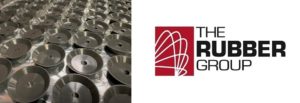
Medical transfer molding provides tight control of part tolerances and can fill hundreds of mold cavities from a single pre-formed material. For both short runs and high volumes, this flexible manufacturing method supports complex shapes, thin-walled parts, and consistent dimensions.

Medical transfer molding provides tight control of part tolerances and can fill hundreds of mold cavities from a single pre-formed material. For both short runs and high volumes, this flexible manufacturing method supports complex shapes, thin-walled parts, and consistent dimensions.
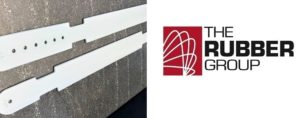
Medical compression molding can produce cost-effective rubber gaskets and rubber products for medical devices and equipment. It’s a good choice for very hard or difficult-to-flow materials because this molding method doesn’t need to push the rubber through sprues, gates, or runners.

Medical molding for rubber gaskets and rubber products offers medical device designers a choice of molding methods: injection, transfer, or compression molding.

Closed cell neoprene sponge rubber for passenger rail cars meets smoke and flame requirements. Use for seals, gaskets, thermal insulation and vibration isolation.

Wasteless rubber molding usually isn’t waste-free. However, it can significantly reduce the amount of material that’s lost to runners and transfer pads.

Flashless molding uses precision tooling to mold rubber parts with only small amounts of flash. The tooling is more expensive, but flashless molds reduce costs over time by eliminating secondary operations.

The Rubber Group recently completed a value stream mapping project that will reduce waste, remove production bottlenecks, and improve the overall effectiveness of our processes.