
medical molder
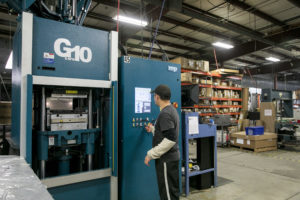
ISO 10993 and USP Class VI both define testing requirements for biocompatibility. Learn about the differences between them so you can select the right rubber.
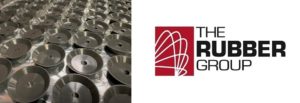
Medical transfer molding provides tight control of part tolerances and can fill hundreds of mold cavities from a single pre-formed material. For both short runs and high volumes, this flexible manufacturing method supports complex shapes, thin-walled parts, and consistent dimensions.

Medical transfer molding provides tight control of part tolerances and can fill hundreds of mold cavities from a single pre-formed material. For both short runs and high volumes, this flexible manufacturing method supports complex shapes, thin-walled parts, and consistent dimensions.
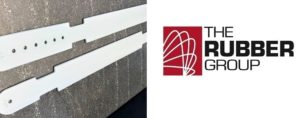
Medical compression molding can produce cost-effective rubber gaskets and rubber products for medical devices and equipment. It’s a good choice for very hard or difficult-to-flow materials because this molding method doesn’t need to push the rubber through sprues, gates, or runners.

Medical molding for rubber gaskets and rubber products offers medical device designers a choice of molding methods: injection, transfer, or compression molding.
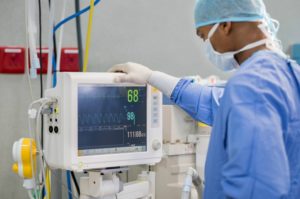
Many medical molding applications use silicones, but not all of these elastomers are right for your application. Learn about silicone selection.